How to Fold and Store Bold Printed Clothing Properly


Why Folding Printed Clothing the Right Way Matters
Learning how to fold printed clothing properly is not just about tidiness, it protects the ink and the fabric underneath it. Bold prints, especially ones with saturated colors or heavy graphics, tend to show creases and cracking faster than plain tees or solid button-downs. A sharp fold line across a chest print can become a permanent crack in the design after a few wash and wear cycles. If you’ve ever pulled a favorite patterned piece out of a drawer and noticed the print looking dull or split along a crease, that’s usually a storage problem, not a fabric defect.
Key takeaways
- Fold printed garments print-side in or with tissue between layers to prevent cracking and rubbing.
- Store bold prints away from direct sunlight and humidity to keep colors from fading or bleeding.
- Stack heavier printed pieces like hoodies on the bottom of a pile to avoid crushing lighter garments.
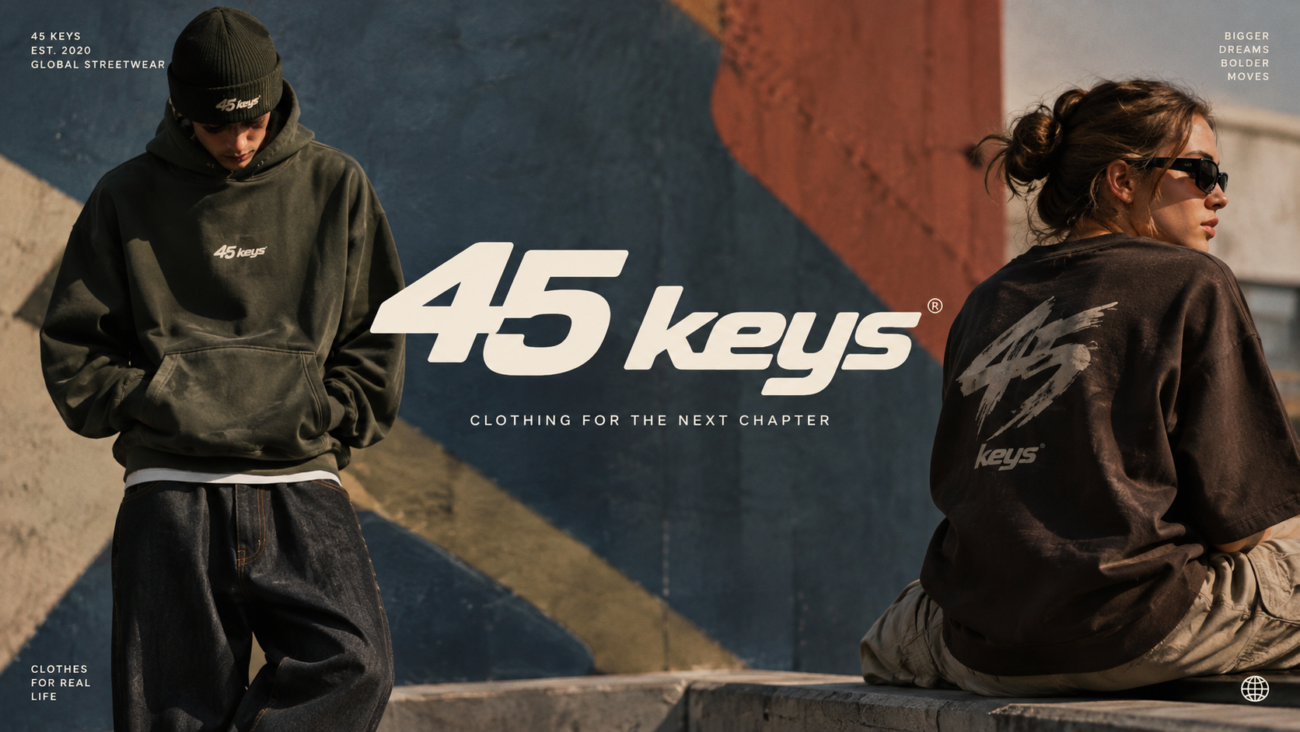
Shops that specialize in statement prints understand this better than most. Anyone browsing a prestige collection of patterned pieces will notice the clothes often come with simple care instructions because print-heavy garments need a bit more attention than a plain cotton shirt. The goal with any bold piece is to minimize sharp creases, keep the print surface from rubbing against zippers or buttons, and store it somewhere that won’t trap moisture or let colors fade under direct light.
Anyone browsing a prestige collection of patterned pieces will notice the clothes often come with simple care instructions because print-heavy garments need a bit more attention than a plain cotton shirt.
None of this requires special equipment. It just means slowing down for an extra thirty seconds per garment and being intentional about how you stack and store things in a drawer or on a shelf.
What Actually Damages a Bold Print
Most print damage comes from three simple causes: repeated pressure on the same fold line, friction against zippers or buttons, and moisture or heat sitting against the ink for long stretches. Vinyl and puff prints are the most fragile because the ink sits on top of the fabric rather than soaking into it. Water-based or discharge prints, which sink into the fibers, tend to hold up better over time but can still fade if left in direct sunlight for weeks.
Think about how a printed garment actually gets stressed in storage. A drawer packed too full forces every fold to stay compressed under weight, which sets creases deeper than they would be hanging loose. A closet shelf near a sunny window bleaches color out of a print long before the fabric itself wears out. Even a garment bag made of thick plastic can trap humidity against a print, especially in a basement or a bathroom closet, which encourages mildew spots on cotton blends.
Folding Technique by Garment Type
Printed t-shirts are the easiest to manage. Fold them in half vertically, print facing in, then fold the sleeves back before doing a final horizontal fold. This keeps the graphic from touching the inside of the sleeves where oils and lint tend to collect.
Printed hoodies and sweatshirts need a flatter, looser fold because the fabric is thicker and the zipper or drawstring can press into a nearby graphic. Lay the hoodie face down, fold the sleeves across the back, then fold it in thirds rather than in half, since a single sharp fold across a heavy cotton blend is more likely to crease permanently.
Printed dresses or button-downs with an all-over pattern should be folded along the side seams whenever possible. If the print covers the whole garment edge to edge, there is no way to avoid every fold crossing some part of the design, so rotate the fold lines every time you put the piece away instead of refolding it the exact same way twice in a row.
Using Tissue Paper and Acid-Free Materials
A single sheet of acid-free tissue paper between folds does more than most people expect. It keeps embellished prints, embroidery, and thick ink from pressing directly into the fabric layer behind it, which is where a lot of transfer damage and dulling happens. For everyday storage this isn’t necessary for every t-shirt in a drawer, but it’s worth doing for anything with sequins, foil, or raised puff printing that you only wear occasionally.
Storing Printed Clothes in a Drawer or Closet
Once a piece is folded correctly, where you put it matters almost as much. Keep printed garments out of direct sunlight, since UV exposure fades dye and ink faster than almost anything else short of harsh detergent. A closed drawer or a closet with the door shut is usually enough protection.
Humidity is the other enemy. Cedar blocks or a small moisture absorber in a drawer can help if you live somewhere damp, but avoid sealing printed clothes in plastic bags for long-term storage, since trapped moisture encourages mildew and can cause colors to bleed onto nearby fabric. A breathable cotton storage bag or just an open shelf works better for anything you’re not planning to wear again within a few weeks.
If you want a real example, a prestige hoodie with an oversized print benefits from being folded with the graphic facing inward and stored flat rather than hung on a hook. Hanging a heavy printed hoodie for months at a time can stretch the shoulder seams and distort the print near the collar, so flat storage is almost always the safer choice for anything with a large front or back graphic.
Pieces sold as prestige clothing tend to include a mix of fabric weights, so sorting by thickness before folding makes the whole drawer easier to manage. Put heavier pieces like sweatshirts and jackets toward the bottom or on a separate shelf, and keep lighter printed tees stacked on top where they won’t get crushed or stretched out of shape.
A Few Habits Worth Building
Rotate how you fold a favorite printed piece every time you put it away, rather than always creasing it in the same spot. Check printed clothes before long-term storage for any stains or deodorant residue, since those can set permanently and sometimes discolor the print itself during storage. And resist the urge to overstuff a drawer. A drawer that’s too full forces every fold to stay under constant pressure, which is exactly the kind of stress that cracks a bold print faster than normal wear ever would.
Frequently asked questions
Should printed shirts be folded or hung?
Lighter printed tees and button-downs can be hung, but heavier prints on sweatshirts or hoodies often do better folded, since hanging can stretch the shoulders and distort the design over time. If you do hang a printed piece, use a padded hanger to reduce strain on the fabric.
Does folding cause prints to crack?
Yes, repeated folding along the exact same line can crack vinyl or screen-printed designs over time. Rotating your fold lines or placing the print face-in reduces this risk considerably.
How do you store printed clothes to prevent fading?
Keep them out of direct sunlight, store them in a cool, dry closet or drawer, and avoid plastic bags that trap moisture. A breathable cotton storage bag works better than sealed plastic for anything you’re not wearing soon.