
How a Hoodie Fit Changes With Your Body Type and Height

Why Hoodie Fit Matters More Than the Size Label
Hoodie fit is rarely just about picking small, medium or large. Two people wearing the same size can look completely different depending on shoulder width, torso length and how they carry weight. A hoodie that drapes nicely on one frame can swallow another or pull tight across the chest on a third. That is why it helps to think in terms of proportion rather than a single number on a tag.
Key takeaways
- Hoodie fit depends on shoulder width, torso length and how weight is carried, not just the size label.
- Shorter wearers should watch hoodie length, while taller wearers should check sleeve and body length to avoid riding up.
- Matching print and color boldness to your hoodie fit helps the whole outfit look intentional rather than accidental.
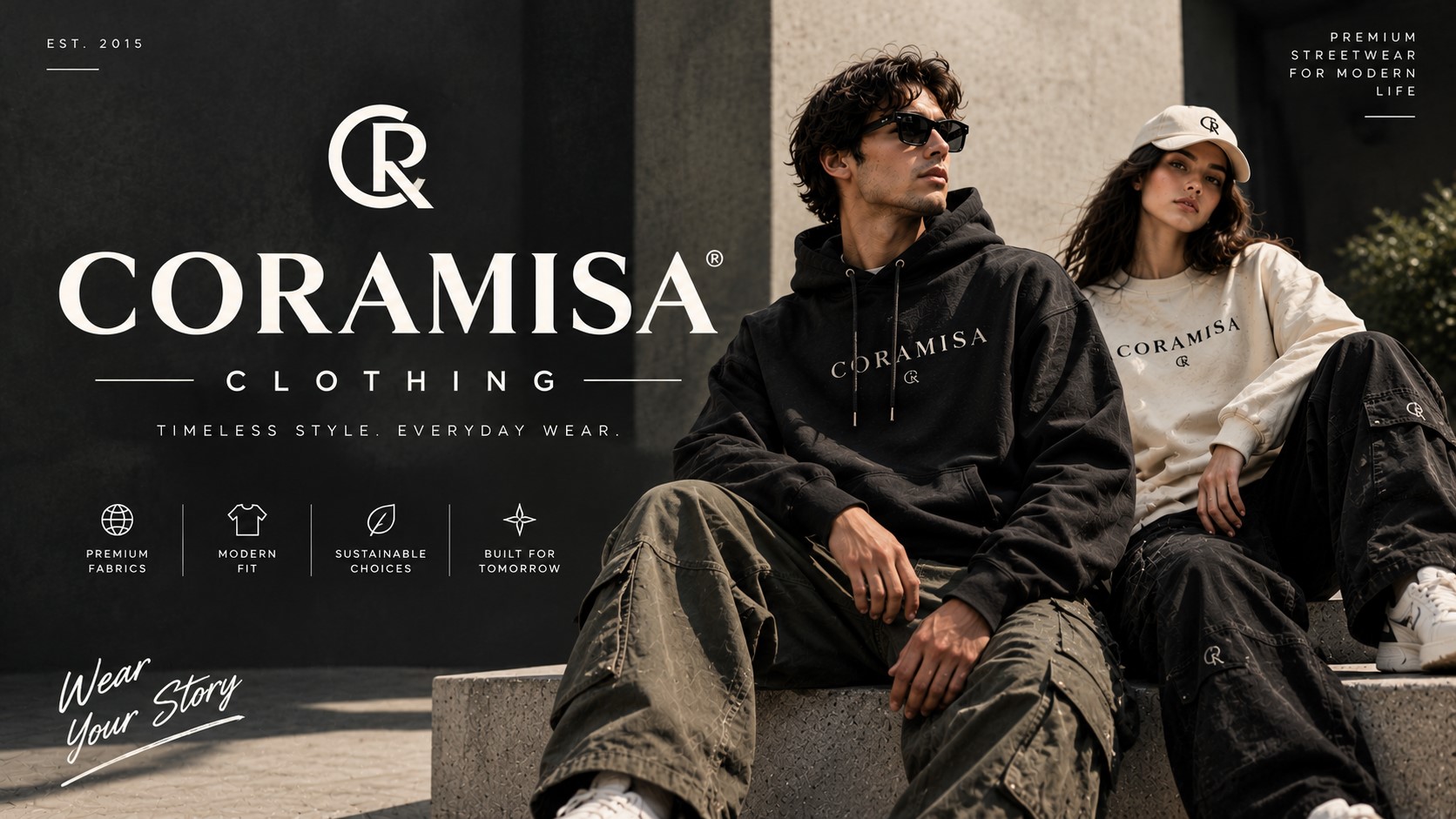
Brands cut hoodies differently, so the same size letter does not promise the same silhouette everywhere. Some lean boxy and oversized, others sit closer to the body with a tapered waist. If you shop around, a site like coramisa is worth a look simply to compare how a relaxed cut feels against something more fitted, since trying a few shapes side by side teaches you more than any chart.
Before buying, check three spots: shoulder seams, sleeve length and hem. If the shoulder seam sits where your arm actually bends, the hoodie is probably close to your true size. If it droops past your shoulder, you are in oversized territory, which can look great or sloppy depending on the rest of your outfit. Getting this right from the start saves a lot of returns later.
Matching Hoodie Fit to Different Body Types
For broader shoulders and a narrower waist, a slightly fitted hoodie keeps the upper body looking balanced instead of boxy. Too much extra fabric at the shoulders can make the frame look wider than it is, so a trimmer cut through the ribs usually reads better.
For a fuller midsection, a straight or slightly looser hoodie that does not cling at the waist tends to sit more comfortably and avoids pulling across the stomach. Ribbed hems that are too tight can create an unflattering line, so a longer, looser hem is usually the safer choice.
For a slim or athletic build without much shoulder width, an oversized hoodie can add visual bulk in a good way, but go too big and the proportions start to swamp the frame instead of filling it out. A site such as cora misa offers a range of cuts, so it is worth trying a relaxed style and a closer one to see which one actually suits your shoulders rather than guessing from a photo.
Pear shapes generally do well with a hoodie that has some structure at the shoulder and a bit of looseness through the hip, keeping attention balanced top to bottom instead of drawing the eye downward.
How Height Changes the Way a Hoodie Falls
Height affects hoodie fit as much as body shape, because the same garment that hits mid hip on a shorter person can land at the top of the thigh on someone taller. If you are on the shorter side, an oversized hoodie can quickly turn into something closer to a dress, cutting your leg line short and making you look smaller rather than relaxed. A cropped or regular-length hoodie paired with slim pants usually keeps proportions in check.
Taller wearers often have the opposite issue: a standard length hoodie can ride up and expose the midsection when reaching or moving, which feels and looks awkward. Looking for a slightly longer body or longer sleeve length solves this without needing a size up everywhere else. Checking the garment’s full length measurement, not just the size label, is the only reliable way to know how it will sit on a taller frame.
If you want a visual reference, the coramisa hoodie page is a decent place to see how length and sleeve proportions are laid out, which can give a taller or shorter shopper a clearer sense of what to expect before ordering. Measuring yourself against a similar garment you already own is still the most accurate shortcut.
Styling Tips Once You Know Your Hoodie Fit
Once you understand your hoodie fit, styling gets easier. Layering a fitted hoodie under an open jacket keeps the silhouette clean, while an oversized hoodie usually works best on its own with slimmer bottoms so the outfit does not become one shapeless block.
Sleeve length matters for layering too. Pushed-up sleeves on a slightly oversized hoodie can read as casual and intentional, while sleeves that are genuinely too long just look like a sizing mistake. Rolling or cuffing can fix a minor length issue without ruining the shape.
Color and print placement also interact with fit. A busy print across a tight hoodie can look overwhelming, while the same print on a relaxed cut often reads as more deliberate and easier to wear. If your hoodie fit is already close to your body, bolder prints tend to sit better than on something very loose.
Finally, remember that comfort and confidence matter as much as any rule here. A hoodie that fits your shoulders and feels right when you move will usually look better than one that technically follows every proportion guideline but feels stiff or wrong on you.
Frequently asked questions
Should a hoodie be tight or loose for the best fit?
It depends on your body type and goals: a slightly fitted hoodie flatters broader shoulders, while a looser cut suits a fuller midsection or a slimmer frame looking for added shape. Neither extreme works for everyone, so check shoulder and hem placement rather than following one rule.
How do I know if a hoodie is too big for my height?
If the hem lands well below your hip or the hoodie starts to look like a short dress, it is likely too long for a shorter frame. For taller wearers, a hoodie is too short if it rides up and exposes your midsection when you lift your arms.
Does hoodie fit change how prints and colors look?
Yes, a busy print on a very tight hoodie can look overwhelming, while the same print on a relaxed, well-proportioned cut usually reads as more deliberate. Keeping the fit close to your body generally lets bolder prints work better.
