How to Spot Quality Craftsmanship in Bold Denim

Why Quality Craftsmanship in Bold Denim Matters More Than Usual
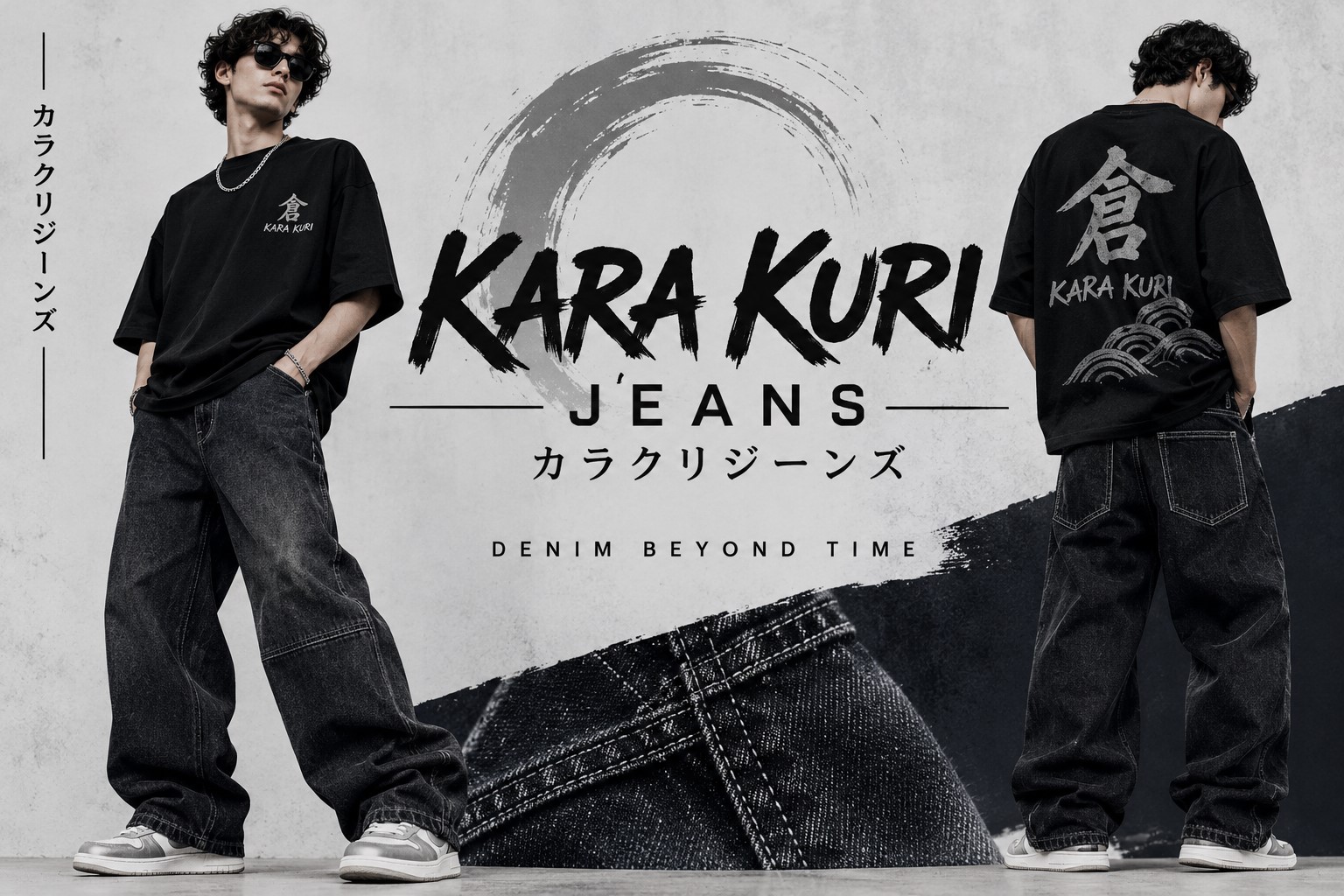
Quality craftsmanship in bold denim is harder to judge than a plain pair of jeans because dye, print, or wash can hide weak construction for a while. A loud pattern or a saturated color draws the eye first, so a lot of shoppers skip the basic checks they would normally do on a neutral pair. That is a mistake. Bold denim gets worn more often precisely because it stands out, which means the seams, the fabric, and the hardware take more stress over time. If you want the piece to still look sharp after a season of actual wear, you need to look past the color and into the build. Brands that put real thought into construction, the kind you find when you look at karakuri jeans, tend to treat the bold version with the same care as a classic pair, not as a novelty item. That consistency is what separates denim that fades gracefully from denim that falls apart at the pocket corners after a few washes.
Key takeaways
- Turn bold denim inside out to check stitch density and seam straightness before trusting the color alone.
- Fabric weight and hardware quality matter as much on bold denim as on plain denim, so test rivets, zippers, and buttons directly.
- Pattern alignment at seams and logical wash placement are strong signs a bold pair was cut and finished with care.
Check the Stitching Before Anything Else
Stitching is the fastest tell. Turn the garment inside out and look at the seams along the inseam, the yoke, and the pocket bags. Even, tight stitches in a straight line mean the piece was sewn with attention. Loose threads, skipped stitches, or a wavy seam line are signs of rushed production, and those spots will be the first to fail. Pay close attention to the belt loops and the back pockets on bold denim specifically, since a strong print or color often distracts from thread count per inch, which is one of the clearest indicators of durability. Count the stitches if you can. Denser stitching along stress points like the crotch seam and pocket corners usually means the jeans were built to take repeated movement, not just to look good folded on a shelf. Chain stitching on the hem is another good sign, since it holds up differently than a plain lockstitch and gives that slightly puckered edge that denim fans look for. If a seam already looks strained or uneven right out of the package, it will only get worse with wear, no matter how striking the pattern is.
Look at the Fabric Weight and the Hardware
Bold prints and bright dyes can sit on top of a thin, flimsy fabric just as easily as on a heavy one, so you have to check the weight yourself. Hold the denim up to light. Thin spots or uneven density across the fabric suggest a weave that will wear through fast, especially at the knees and the seat. A heavier weight denim, even in a bright color, usually drapes with a bit of structure rather than hanging limp. Hardware matters just as much as the fabric. Rivets should sit flush and feel solid when you press on them, not loose or slightly tilted. Zippers should glide without catching, and buttons should have a tight shank rather than wobble when you tug gently. Cheap hardware is one of the quickest ways a bold pair of jeans starts looking tired, since a rusting rivet or a stuck zipper stands out even more against a strong color or pattern. Brands that pay attention to this detail, including labels behind karakuri clothing, understand that a bold pair only reads as well made if every small fastening does its job quietly in the background.
Read the Wash and the Pattern Placement
The last thing to check is how the wash or print interacts with the cut of the jeans. On well made bold denim, the pattern or dye should line up at the side seams and across the yoke, not shift awkwardly where two pieces of fabric meet. A mismatched pattern at a seam is a sign the fabric was cut without much care for how the final garment would look once assembled. Washes should look intentional too. A deliberately faded or distressed finish should have some logic to it, following the natural wear points like the thighs and the knees, rather than looking randomly scattered. If a wash looks patchy in spots that make no sense for how jeans actually wear on a body, that usually means it was done quickly to save time rather than to create a convincing finish. Color bleed is another concern with bold denim specifically. Rub a light cloth against the fabric in a store or check reviews for mentions of dye transfer. Good quality bold denim is dyed in a way that holds its color without staining everything it touches, which is a small detail that tells you a lot about how the whole piece was made.
Frequently asked questions
How can I tell if bold denim is good quality before buying it online?
Look closely at product photos for seam alignment and stitch consistency, and check the fabric weight listed in the description. Reviews that mention fading, color bleed, or loose threads are also useful warning signs.
Does a bold pattern or bright wash wear out faster than plain denim?
Not necessarily, but busier patterns and brighter dyes can make early wear issues harder to notice until they are already visible. That is why checking stitching and fabric weight matters even more on bold pieces.
What hardware details indicate well made bold denim?
Rivets should sit flush and feel solid, zippers should move smoothly without catching, and buttons should have a tight shank with no wobble. Loose or tilted hardware usually signals rushed production.