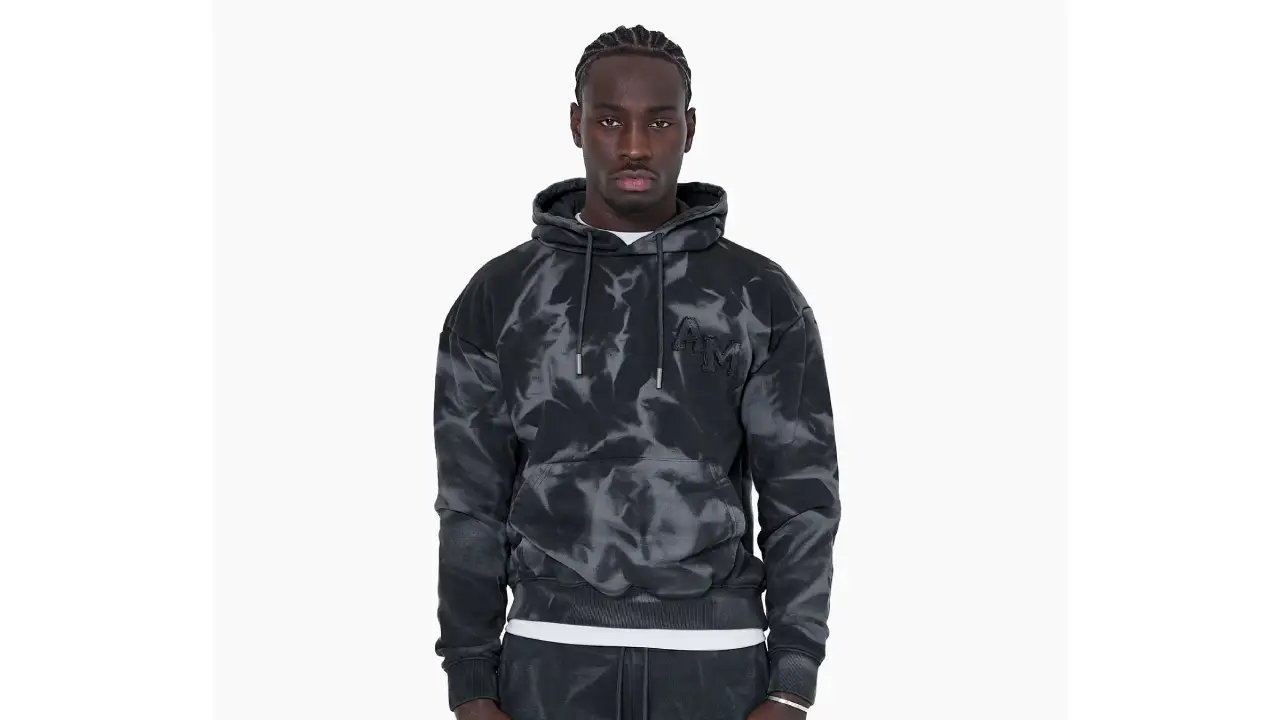
How to Get the Right Fit and Size in Clothing


Why the right fit and size in clothing matters more than the label
The right fit and size in clothing changes how an outfit looks far more than the pattern or color does. A bold print on a jacket that pulls across the shoulders or bunches at the waist will never read as confident, no matter how good the fabric is. Fit is the frame that holds everything else together. Clothes that sit close where they should and loose where they should move with you, not against you. Brands cut their sizes differently, so a medium in one label can feel like a small in another. That inconsistency is the main reason people end up with closets full of pieces they rarely wear.
Key takeaways
- Measure your body, not just your usual size, since cuts vary widely between brands.
- Pay attention to how clothes move with you, not just how they look standing still.
- Small tailoring fixes, like hemming or taking in a waist, often solve fit problems cheaper than buying new.
For basics and everyday pieces, a shop like reaven sells clothing across a range of sizes worth checking against your own measurements before you order.
Start with your own measurements, not your usual size
The fastest way to stop guessing is to measure your body and write the numbers down. You need four basics: chest or bust, waist, hips, and inseam. Use a soft tape measure, stand naturally, and don’t pull the tape tight enough to compress your skin. Measure over light clothing, not bulky layers, and take each measurement twice to be sure. Once you have real numbers, a size label becomes almost irrelevant. You’re comparing inches or centimeters against a chart, not trusting a letter that means something different at every store.
Keep these measurements somewhere you can find them, because they come in handy every time you shop online, where trying something on first isn’t an option. A lot of return headaches come from people buying their usual size instead of checking it against the actual chart for that specific item.
Read size charts like a shopping tool, not an afterthought
Every brand publishes a chart for a reason: their fit isn’t universal. Skipping it and defaulting to your usual size is how a shirt that should fit ends up either tight across the shoulders or swimming at the waist. If you want to compare your measurements against a size chart before committing, browsing the reaven shop is a reasonable place to start since it sells clothing in a range of cuts.
Pay attention to more than one number. A chart might list chest and length separately, which matters for anyone who’s broad through the shoulders but shorter in the torso, or tall with a narrower frame. If a brand lists finished garment measurements rather than body measurements, that’s even more useful, since it tells you exactly how much room the piece allows once it’s sewn together.
Test movement, not just appearance in the mirror
Getting this right starts with paying attention to how a garment behaves when you walk, sit, and raise your arms, not just how it looks standing still in front of a mirror. A shirt that looks sharp when you’re frozen in place but strains at the buttons the moment you reach for something isn’t actually your size. Sit down in pants to check the waistband and thigh room. Raise your arms in a jacket to see if the hem rides up past your hips. Walk a few steps in anything fitted through the leg to feel whether the fabric restricts your stride.
This kind of testing matters even more with patterned or bold pieces, since a strained seam or pulling fabric draws the eye exactly where you don’t want it. A print should sit smoothly across the body; distortion from poor fit breaks up the pattern and makes the whole look feel unfinished.
Know when to size up, size down, or call a tailor
Few people fit a size chart perfectly in every measurement. If one dimension is close but another is off, a tailor is usually a better fix than switching sizes entirely. Pants that fit through the hip but pool at the ankle just need a hem. A blazer that fits the shoulders but gaps at the waist can often be taken in for less than the cost of a replacement. Sizing up to accommodate one tight spot often creates three new loose ones, which defeats the purpose.
Tailoring is especially worth it for structured pieces like blazers, trousers, and fitted dresses, where the shoulder seam or waistband placement is hard to adjust yourself but easy for a professional.
Reassess your size periodically
Bodies shift over months and years, through activity changes, aging, or just life. The size that fit two years ago might not fit the same way now, and that’s normal, not a failure. Remeasuring once a year, or whenever your clothes start feeling consistently off, keeps your shopping accurate instead of relying on outdated assumptions. Shopping with that in mind, rather than chasing a number on a tag, saves money and frustration over time.
Frequently asked questions
How do I know my correct clothing size if it varies by brand?
Take your own body measurements, chest, waist, hips, and inseam, with a soft tape measure, then compare them to each brand’s specific size chart rather than relying on the label number alone. Measurements stay constant even when sizing systems don’t.
What’s the easiest way to tell if a garment fits properly?
Move in it before you decide. Sit down, raise your arms, and walk a few steps; if anything pulls, gaps, or rides up, it’s not the right size even if it looks fine standing still.
Is it worth getting clothes tailored instead of buying a new size?
Often yes, especially for pants, blazers, and dresses where one dimension fits but another doesn’t. A simple hem or waist adjustment usually costs less than replacing the piece and gives a better result than sizing up or down.