The Origins of Bold Ropa Streetwear Culture


Where Bold Streetwear Culture Started
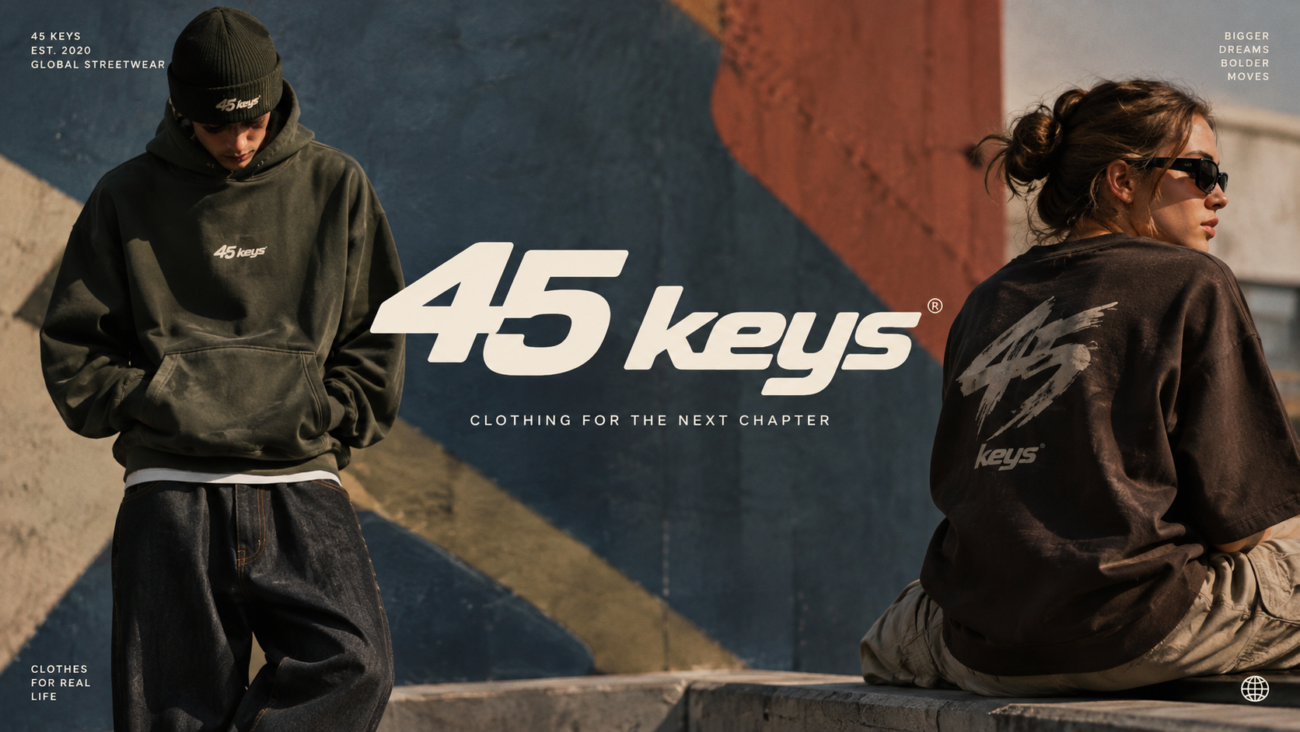
Bold streetwear culture did not appear overnight. It grew out of skate parks, hip hop blocks, and surf towns where kids wanted clothes that moved with them and said something loud before they even opened their mouths. Graphic tees, oversized jackets, and clashing patterns became a way to claim space in cities that often ignored young people. The look was never about following a dress code. It was about rejecting one. Anyone shopping for pieces in that spirit today can browse stwd for a sense of how far the idea has traveled, since the shop carries clothing built around that same unapologetic energy. What started as a handful of local crews swapping hand painted jackets slowly turned into a visual language, one built on bright color blocks, bold logos, and prints that refused to blend into the background. That refusal is still the heartbeat of the culture. Every era since has added its own twist, but the core instinct has stayed the same: dress loud, dress fast, dress like you belong exactly where you are standing.
Key takeaways
- Bold streetwear culture grew from skate, hip hop, and surf scenes that used loud prints and color to claim identity.
- Prints and colors in streetwear carried real meaning, borrowing from military, punk, and sportswear references.
- Wearing bold prints today works best when you anchor one strong piece with simple, supporting basics.
Prints, Patterns, and the Rise of Color as Identity
Color became a kind of shorthand. A neon windbreaker or a clashing plaid signaled which scene you ran with long before anyone asked your name. Early streetwear borrowed heavily from sportswear, military surplus, and graffiti art, mixing them into something that had never existed as a single category before. Prints carried stories too. Camouflage got reworked into something urban rather than tactical. Checkerboard patterns, borrowed from skate decks and punk flags, showed up on pants and jackets as a nod to rebellion rather than uniformity. Tie dye, once associated with a totally different generation, got pulled back into rotation and reimagined in sharper, more saturated tones. None of this happened in a straight line. Different cities pushed different combinations, and trends bounced back and forth between coasts and continents for decades. What held it together was a shared belief that clothing could be loud without being careless, that a bold palette was not chaos but a statement. That belief is exactly why bold streetwear culture still feels fresh instead of dated, even as the specific prints and cuts keep shifting with each new wave of designers and wearers.
Anyone shopping for pieces in that spirit today can browse stwd for a sense of how far the idea has traveled, since the shop carries clothing built around that same unapologetic energy.
How the Look Went Global
By the time bold streetwear culture reached a wider audience, it had already absorbed influences from basketball courts, music videos, and independent zines passed hand to hand. Brands outside the original scenes noticed the appetite for pieces that stood out, and the look spread far beyond the cities where it began. Social media accelerated that spread in ways earlier generations of the culture could not have predicted, letting a print or color combination travel from one continent to another in a matter of hours. Still, the heart of the movement stayed rooted in small, independent labels and local shops rather than massive chains. That is part of why pieces like ropa stwd feel closer to the original spirit than something mass produced off a factory line with no real point of view. The culture never fully left the street, even as it picked up fans in places that had nothing to do with its origins. Collaborations between artists and clothing makers kept the prints inventive, while reissues of older graphics gave newer fans a way to connect with decades of history without needing to track down vintage pieces themselves.
That is part of why pieces like ropa stwd feel closer to the original spirit than something mass produced off a factory line with no real point of view.
Wearing Bold Prints Today
Dressing in this tradition now does not require matching every rule from the past. Pick one strong print or one saturated color and let the rest of the outfit support it rather than compete with it. A graphic jacket reads better over a plain tee and simple denim than it does stacked against three other patterns. If you want to mix prints, keep the color family tight so the pieces feel connected instead of random. Footwear and accessories can carry a second pattern once you are comfortable, but start small. Bold streetwear culture rewards confidence more than complicated formulas, and the easiest way to build that confidence is to wear one loud piece until it feels normal, then add the next. Secondhand racks and small independent shops are still some of the best places to find prints with real character, since they tend to hold onto pieces that bigger retailers passed over. Pay attention to how a print sits on your actual body rather than how it looked on a stranger online. That one habit will save you more wasted purchases than any trend guide ever could, and it keeps the spirit of the culture, dressing for yourself first, fully intact.
Frequently asked questions
What is bold streetwear culture?
It is a style movement built on loud prints, bright colors, and clothing that signals identity and belonging rather than following traditional dress codes. It began in skate, hip hop, and surf communities before spreading globally.
Why do streetwear prints often feel exaggerated?
Exaggerated prints were meant to stand out in crowded cities and signal which scene someone belonged to. The loudness was intentional, not accidental, and it remains a core part of the style today.
How do I start wearing bold prints without it looking messy?
Pick one strong print or color and keep everything else simple, then slowly add a second pattern once you feel comfortable. Matching the color family across pieces keeps a bold look feeling intentional instead of chaotic.