Understanding Fabrics Used in Bold Printed Hoodies

Why Fabric Matters as Much as the Print
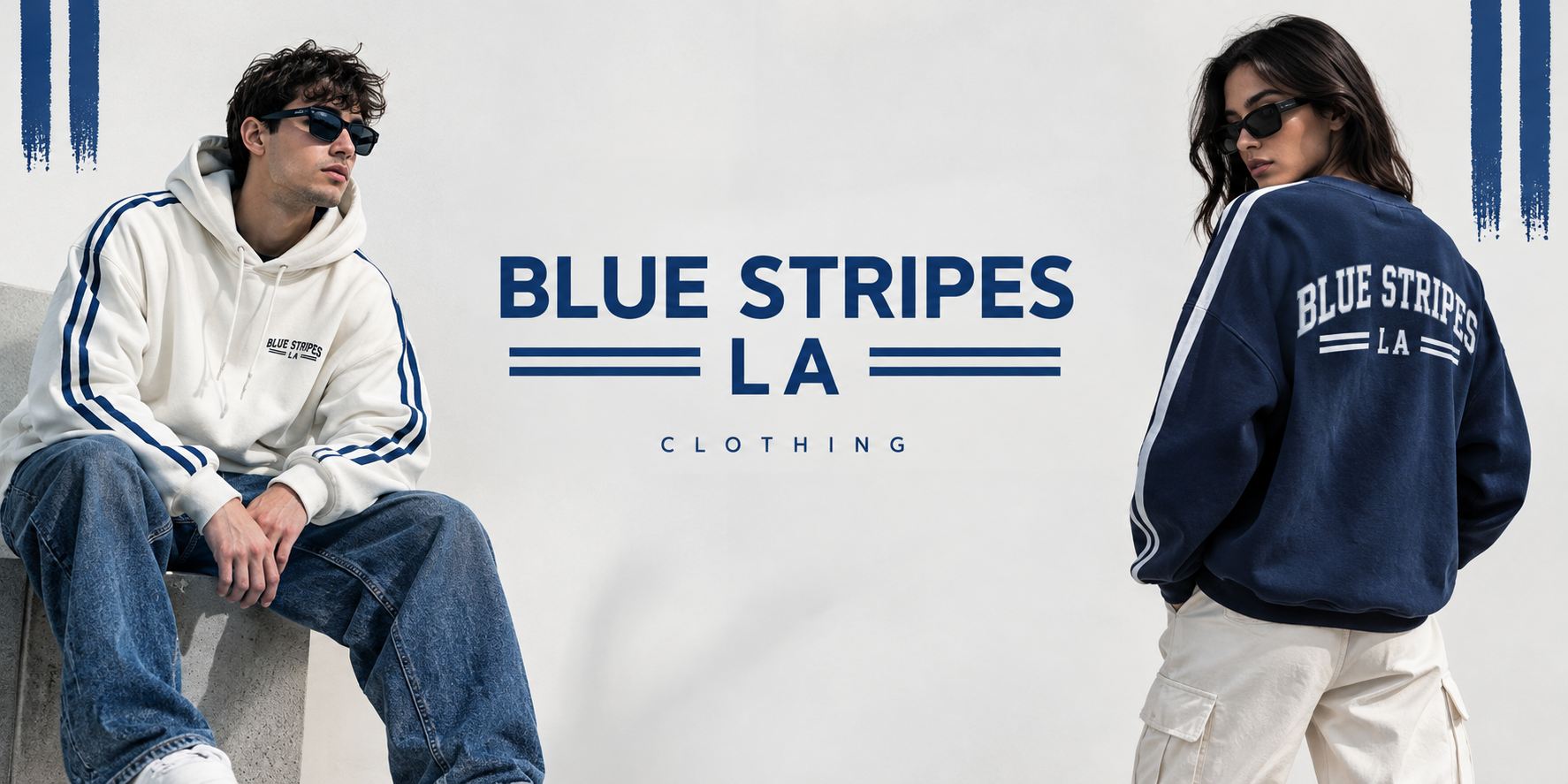
Bold printed hoodies live or die by two things: the design and the fabric underneath it. A loud print on cheap fabric looks flat within a few washes, while the same pattern on a good base can stay crisp for years. Shoppers often focus only on color and pattern, but the material decides how that print behaves once it leaves the store. Thickness, weave, and fiber content all change how ink sits on the surface and how it ages. If you’ve ever wondered why one hoodie holds its pattern while another fades into a blur, the answer is almost always in the fabric, not the design file. A shop like blue strips la builds its hoodie line around clothing that pairs prints with fabric choices meant to support them, which is a smart approach for anyone buying a statement piece. Before you buy, it helps to know what you’re actually looking at on the label, because that short list of fibers tells you more than any product photo can.
Key takeaways
- Fabric type (cotton, polyester, or blends) directly affects how sharp and durable a bold print stays over time.
- Screen printing needs tight, smooth weaves while sublimation printing requires high polyester content for vivid color.
- Match fabric weight to your climate and wear habits, since heavier knits hold shape and print clarity longer.
Common Fabric Types in Bold Printed Hoodies
Most printed hoodies are built from cotton, polyester, or a blend of the two, and each behaves differently under ink. Pure cotton feels soft and breathes well, and it takes certain print methods, like screen printing, with rich, even color. Polyester resists wrinkling and holds shape, and it’s the fabric of choice for sublimation printing, where dye is bonded directly into the fibers rather than sitting on top. Cotton-poly blends try to split the difference, giving you some of the softness of cotton with the durability of synthetic fiber. French terry, a looped-back knit often used in hoodies, adds weight and structure, which can make bold patterns look more substantial instead of thin or see-through. Fleece-lined interiors add warmth but don’t usually affect how the outer print looks, since the print sits on the outer shell fabric. Knowing which base fabric a hoodie uses helps you predict softness, warmth, and how the garment will move with your body, all of which matter more once you’re actually wearing a busy pattern in public rather than just looking at it on a screen.
How Fabric Affects the Way a Bold Print Looks and Lasts
The printing method and the fabric have to work together, or the result disappoints no matter how good the artwork is. Screen printing lays ink on top of the fabric surface, so it needs a tight, smooth weave to keep edges sharp; loose or textured knits can blur fine lines in a busy pattern. Sublimation printing, by contrast, needs a high polyester content because the dye only bonds properly with synthetic fibers, which is why so many all-over bold prints use polyester-heavy blends. Fabric weight also plays a role: thin jersey can let prints look washed out or slightly transparent, while a heavier mid-weight fleece gives colors more depth. Washing habits matter too, since cotton can shrink and distort a print’s proportions if it’s run through hot water repeatedly. If you’re comparing options, browsing a line like bluestripsla gives a decent sense of how different fabric bases hold up under bold, graphic prints, since the hoodies there mix pattern work with practical fabric choices. Reading the care label before the first wash saves a lot of disappointment with any printed hoodie, bold or not.
Matching Fabric Weight to How You Plan to Wear It
Fabric choice should follow how and where you’ll actually wear the hoodie, not just how the print photographs online. A lightweight cotton-poly hoodie works well layered under a jacket in mild weather, letting a bold print peek out without adding bulk. A heavier French terry or fleece hoodie suits colder months and solo wear, since the print becomes the main visual statement rather than a layering accent. If you want a piece that holds its shape after repeated wear, look for a slightly heavier fabric weight with a tighter knit, since lighter material tends to stretch out at the cuffs and hem faster. For anyone shopping with both pattern and practicality in mind, the bluestrips hoodie line is worth a look as one example of fabric and print being considered together rather than the print being an afterthought stitched onto whatever base fabric was cheapest. Think about your climate, your washing routine, and how often you’ll wear the piece before deciding on fabric weight. A bold print deserves a fabric that can actually carry it through regular wear, not just survive a single photo.
Frequently asked questions
What fabric holds a bold print best?
Tightly woven cotton works well for screen-printed designs, while polyester-heavy fabric is best for sublimation printing since the dye bonds directly into synthetic fibers. The right choice depends on which printing method was used.
Do cotton hoodies fade faster than polyester ones?
Cotton can fade faster with repeated hot washes because the fibers absorb and release dye more easily than polyester. Polyester-based prints, especially sublimated ones, tend to resist fading since the color is embedded rather than sitting on the surface.
Is a heavier fabric always better for a printed hoodie?
Not always, but heavier fabric like French terry or fleece generally holds its shape and print clarity longer than thin jersey. Lighter fabric is fine for mild weather or layering, but it tends to stretch and fade sooner with regular wear.