A Short History of the Air Jordan Sneaker Design

Where the Air Jordan Sneaker Design Began
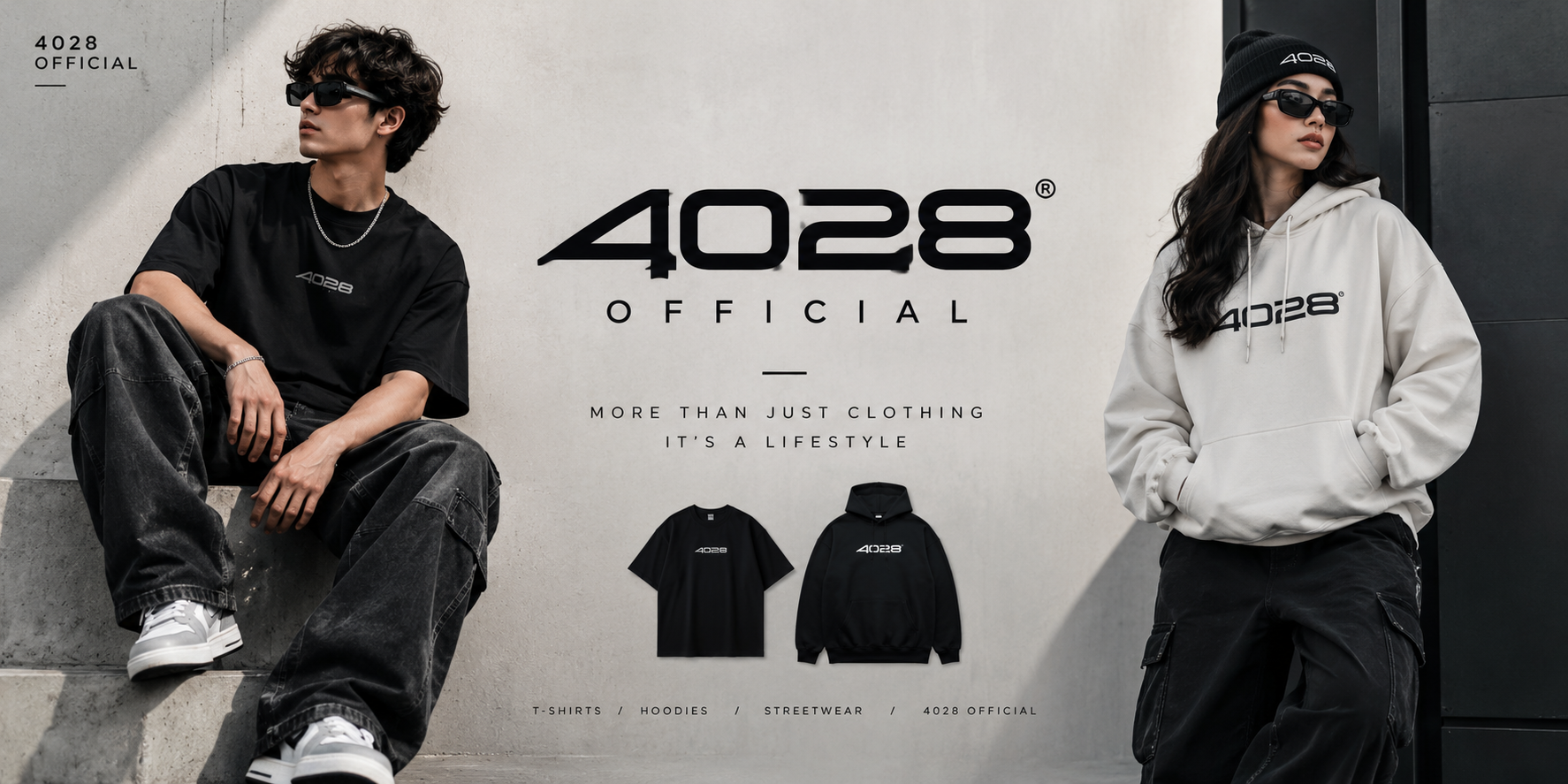
The air jordan sneaker design started in 1984 as a basketball shoe built around one player, but it quickly became something bigger than the court. Michael Jordan wore a red and black pair that broke the league’s uniform rules, and the fine for wearing it turned into free advertising. That first shoe set the tone for everything that followed: bold color blocking, a visible logo, and a shape that looked fast even standing still. People who follow sneaker culture and clothing brands at once can see the same instinct at work in shops like 4028, where prints and color choices do a lot of the talking.
Key takeaways
- The air jordan sneaker design began in 1984 and broke uniform rules before becoming a style icon.
- Early models evolved quickly, adding visible cushioning, new materials, and bold prints like elephant texture.
- The shoe’s mix of simple shape and loud color remains a useful model for pairing bold prints in an outfit.
What made the original design stand out wasn’t just the colorway. It was the leather panels, the padded collar, and the way the shoe sat lower than typical high tops of the era. Designers were trying to give a basketball player support without making him look like he was wearing boots. That balance between structure and style is still the template every later version tried to improve on. Even the stitching pattern on that first shoe, a simple wing shape across the ankle, became a visual shorthand that buyers could spot from across a room, long before anyone called it a logo.
It also helped that the shoe arrived at a moment when sportswear was starting to cross over into daily clothing. People were already wearing warm up jackets and team jerseys outside the gym, so a basketball shoe with a strong graphic identity fit right into that shift. The air jordan sneaker design didn’t just ride that wave, it pushed it along by giving people a single, recognizable shape to build a casual outfit around.
How the Shape Changed Through the Early Models
Each new Air Jordan release in the late 1980s and early 1990s pushed the design in a different direction. The second model dropped the swoosh entirely and leaned on Italian leather for a dressier look, which was an unusual move for a performance shoe at the time. The third model brought visible air cushioning and the now famous elephant print, which gave the shoe texture instead of relying only on color. By the fourth model, mesh panels and plastic wings on the sides made the shoe feel lighter and more technical, a shift that mattered to players and to anyone buying sneakers off the court.
The fifth and sixth models kept experimenting with reflective tongues, translucent soles, and sharper midsole lines, proving that the design team wasn’t trying to repeat a single winning formula. Instead, they treated each release as a chance to test a new material or shape detail, then kept whatever worked for the next version. That habit of constant small changes is part of why collectors can usually date a pair just by looking at the sole or the eyelets, without needing to see a tag.
This constant redesign is part of why the line never felt stale. Shoppers who like to mix prints with their sneakers often look at labels such as 4028 clothing for pieces that pick up on the same patterned, graphic approach that made those early Jordans memorable.
Prints, Colorways, and the Shoe’s Second Life
By the mid 1990s the Air Jordan had stopped being just a performance shoe and had become a canvas for color experiments. Teams of designers started treating each release like a seasonal collection, pairing unexpected shades with animal prints, camouflage, and sometimes patent leather panels that caught light on the street rather than the court. That shift matters to anyone who thinks about bold prints and how to wear them, because sneakers were one of the first places mainstream shoppers got comfortable with loud pattern mixing.
Collectors and casual buyers both started paying attention to limited colorways, which made certain pairs feel closer to clothing drops than sporting goods. Release dates became events, lines formed outside stores, and resale prices turned some pairs into small investments. That shift in how people shopped for sneakers also changed how they thought about pairing them: a shoe with a loud print or an unusual color needed the rest of the outfit to stay simple, or the whole look fell apart.
If you want a current example of that crossover between sneaker style and print heavy apparel, the air jordan 4028 page shows how a single silhouette can still anchor a wider clothing range built around bold color choices.
Why the Design Still Matters Today
Even now, new Air Jordan releases get compared back to those first few models from the 1980s. The high ankle cut, the visible cushioning, and the mix of leather with bright panels are design habits that other sneaker brands borrowed for decades. That influence is part of why the shoe still shows up in outfits that have nothing to do with basketball.
For anyone building an outfit around bold prints, the air jordan sneaker design offers a useful lesson: strong color and pattern work best when the shape underneath is simple and confident. A busy shoe needs a calmer outfit around it, the same way a loud print shirt needs plain pants. Think of the shoe as the loudest piece in the room and dress everything else to support it, not compete with it. That principle has outlasted every specific colorway and every retro release, which is probably the real reason the design keeps getting revisited instead of replaced.
Frequently asked questions
What made the first Air Jordan design so different?
The original 1984 shoe used a red and black colorway that broke NBA uniform rules at the time, which created attention before the shoe even sold widely. Its lower cut and leather paneling also set it apart from bulkier basketball shoes of that era.
Which Air Jordan model introduced animal print?
The third model is widely credited with introducing the elephant print pattern, which added texture to the design instead of relying only on color blocking. That print detail became one of the most recognized features in the line’s early history.
Why do Air Jordans still influence streetwear design?
The silhouette’s mix of structured leather, visible cushioning, and bold color choices gave designers a template that still shows up in modern sneakers and clothing. Its crossover from basketball court to everyday wardrobe also normalized bolder prints in casual outfits.