How to Wear Bold Prints in a Smart-Casual Office Look


Why a Bold Prints Office Look Works Better Than You Think
A bold prints office look sounds risky until you break it down into simple choices. Most workplaces have loosened up, and a print shirt or patterned trouser can read as put-together rather than loud, as long as the rest of the outfit stays calm. The trick is treating the print as the one loud voice in the room and letting everything else speak quietly. Think of a checked blazer, a paisley blouse, or a graphic knit worn with plain trousers and a solid shoe. That contrast is what makes a bold prints office look feel intentional instead of chaotic.
Key takeaways
- Let one bold print lead the outfit and keep everything else solid and simple.
- Match the scale of your print to your body and the formality of your workplace.
- Use fit and fabric to keep a bold prints office look feeling tailored, not casual.
If you want a low-risk entry point, a printed top from a shop such as amoses can work as that single statement piece without overwhelming the rest of your desk-to-drinks wardrobe.
Start With a Print You Actually Like
Pick a print you actually enjoy wearing, not one that just photographs well. Stripes, small florals, and geometric patterns tend to sit easiest in an office because they read as pattern rather than costume. Anything with a strong narrative, like a bold tropical scene, needs more care and usually works best as a single accent piece rather than a full outfit. Wearing a print you feel comfortable in also changes your posture and confidence, which matters more than people expect when you are trying to look polished at work.
Building a small rotation of pieces from amoses clothing alongside your existing basics makes it easier to repeat a bold prints office look without buying a whole new wardrobe. Once you have two or three prints that you know work on your frame, you can rotate them through the week without ever repeating the exact same outfit.
Match Scale to Your Body and the Room
Print scale matters as much as the print itself. A petite frame can get lost under an oversized floral, while a tall frame can swallow up a tiny ditsy print until it reads as texture rather than pattern. Hold the garment up and ask whether the motifs are visible from a few feet away, which is roughly the distance colleagues will see you across a meeting room. If the print disappears into a blur, size up. If it feels like it is shouting, size down or save it for a smaller area like a scarf or a shirt collar.
The formality of your office matters too. A law firm and a design studio will tolerate very different levels of pattern. In a conservative setting, keep the print contained to one piece, like a blouse under a plain blazer, and let tailoring do the rest of the work. In a more relaxed office, you can afford to let the print take up more visual space, maybe a full patterned dress or a printed suit, as long as the fit is sharp.
Use Fit and Fabric to Keep Things Sharp
A bold print in a boxy, wrinkled fabric reads as pajamas. The same print in a structured shirt or a well-cut trouser reads as fashion. Fit is doing more work than people give it credit for. Look for pieces with a defined shoulder line, a waist that actually sits at your waist, and hems that land at a flattering point rather than bunching up. Fabrics with a bit of weight, like a mid-weight cotton or a ponte knit, tend to hold their shape through a long workday better than something thin and clingy.
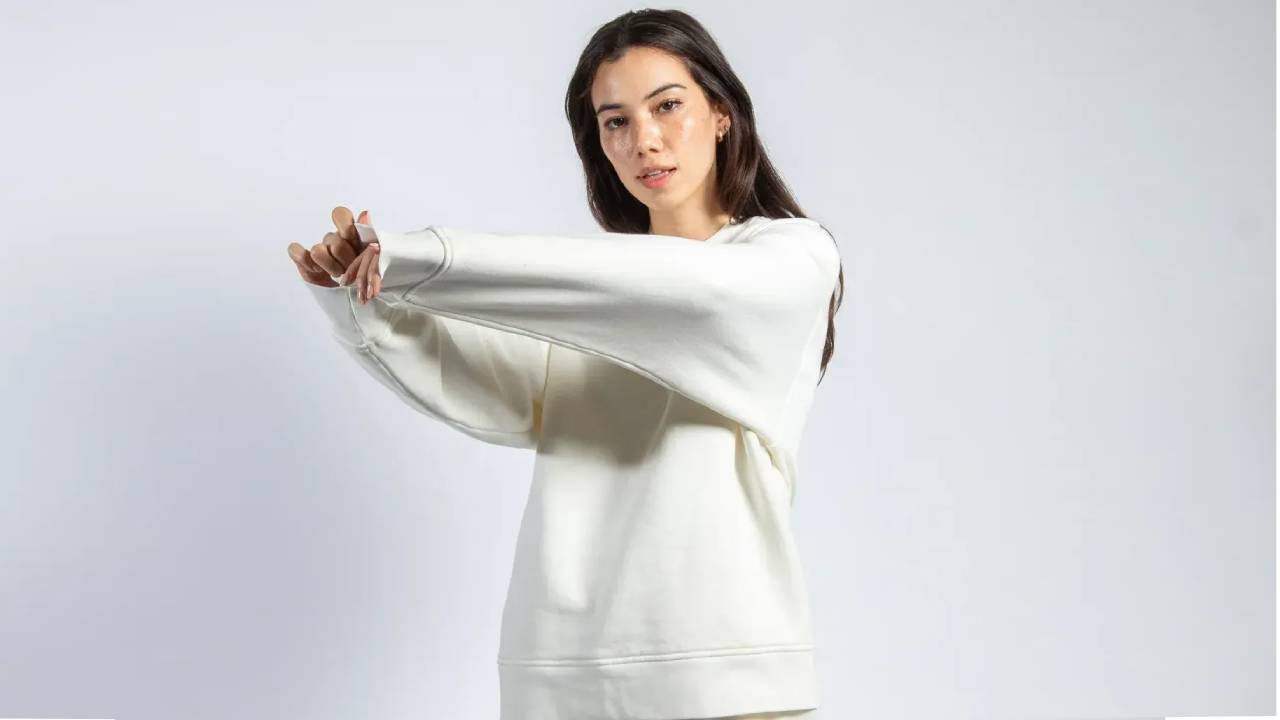
For colder months, a patterned sweater such as a pull amoses can bring in a bold motif while still reading as office-appropriate when paired with tailored trousers. Layering a plain blazer over a printed knit also softens the pattern just enough to keep it from taking over the whole outfit, which is a useful trick on days when you want the print but not the full commitment.
Mixing Two Prints Without Chaos
Mixing prints in an office setting is possible, but it works best with a formula. Keep one print small in scale and one larger, and make sure the two share at least one color so your eye has something to connect them. A fine pinstripe shirt under a larger check blazer is a classic combination for exactly this reason. Stick to two patterns at most for a smart-casual office look, and let every other piece, including shoes, bag, and any visible layers, stay solid.
Accessories and Finishing Touches
If a full print outfit feels like too much of a leap, start with accessories. A patterned tie, a printed scarf, or even a bold sock peeking out from a rolled trouser hem lets you test a print without committing to a whole garment. These smaller doses also work well on days when your meetings are more formal than usual and you want to dial the pattern back without abandoning it completely.
Frequently asked questions
Can I wear bold prints to a conservative office?
Yes, if you keep the print to one piece and pair it with tailored, solid-colored basics. A printed blouse under a plain blazer or a patterned tie with a plain shirt usually reads as professional rather than distracting.
What prints are safest for work?
Small-scale stripes, subtle checks, and fine florals tend to be the easiest to wear in most offices. Large, bright, or novelty prints work better as one accent piece than as a full outfit.
How do I mix two prints without it looking messy?
Keep one print small and one larger, and make sure they share at least one color. Stick to two patterns at most for a smart-casual office look, and let solid pieces fill the rest of the outfit.