The History Behind Bold Printed Joggers

The Origins of Printed Sportswear
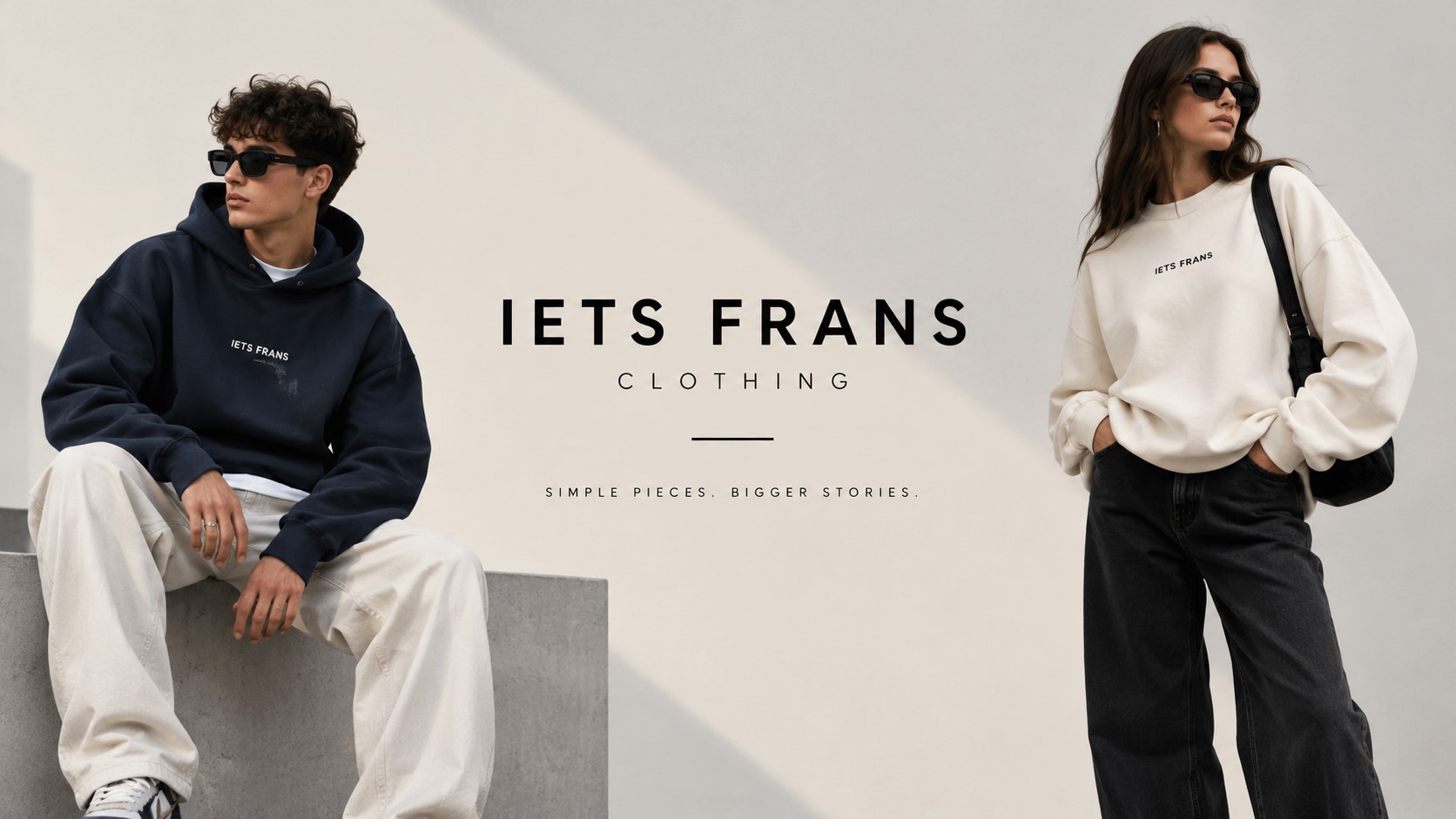
Bold printed joggers have a longer backstory than most people assume. Tracksuits started as plain, functional gear for athletes in the early twentieth century, built for warmth and movement rather than style. Color and pattern crept in slowly, first through team stripes and national colors worn at the Olympics, then through brand logos that turned sportswear into something people wanted to be seen in. By the 1970s and 80s, tracksuits had left the gym entirely and become everyday clothing, especially in cities where hip hop culture and sneaker collecting were taking shape. Prints followed close behind, as manufacturers realized that loud patterns photographed well and stood out on a crowded street. A shop like iets now carries that same instinct forward, treating joggers as a piece worth noticing rather than something to hide under a coat. What started as plain uniform fabric slowly became a space for personality, and that shift never really reversed. Once people saw that pants could carry a pattern instead of just a logo, the door opened for decades of experimentation with color, scale, and texture on something as simple as a pair of sweatpants.
Key takeaways
- Printed joggers evolved from plain athletic tracksuits into everyday streetwear over several decades.
- The loose shape and soft fabric of joggers make them an ideal canvas for bold, saturated prints.
- Styling bold printed joggers today works best when paired with simple, solid pieces and minimal accessories.
How Bold Prints Became Streetwear Staples
Streetwear culture in the 1990s and 2000s pushed printed joggers from novelty to staple. Skate brands and independent labels used bold graphics as a way to stand apart from mainstream sportswear giants, and camouflage, paisley, and abstract geometric patterns all had their turn in the spotlight. Music videos and early internet forums spread these looks faster than magazines ever could, and suddenly a kid in a small town could copy a look worn on stage in another country within days. Brands based outside the usual fashion capitals, including sites such as lets frans, picked up on this appetite for pattern and built it into casual, everyday pieces rather than limited drops. The appeal was never just visual. Printed joggers let people signal taste and group identity without saying a word, the same way band t-shirts or specific sneaker colorways did. By the 2010s, high fashion houses were sending printed track pants down runways, borrowing directly from the street culture that had kept the look alive for decades. That back and forth between underground style and high fashion is a big part of why bold prints never really faded. Each generation reinterprets the pattern language rather than discarding it, and joggers remain one of the easiest canvases for that reinterpretation.
Why Joggers Became the Canvas for Print
Joggers have a few practical advantages that made them an ideal surface for bold pattern. The loose, tapered shape gives a print room to breathe without distorting into something unreadable, unlike fitted jeans where a pattern can stretch oddly at the knee or thigh. The soft, often fleece or jersey fabric also takes dye and print well, holding color saturation better than stiffer woven materials. There’s also a psychological piece to this. Pants carry less formal weight than a shirt or jacket, so people feel freer to experiment with pattern on the lower half of an outfit while keeping the top simple. That balance, bold below and plain above, became a style rule almost by accident, repeated so often it now feels intentional. Comfort played a role too. Joggers were already associated with ease and relaxation, so pairing that comfort with visual energy felt like getting two things at once: a piece you could wear all day and one that still made a statement. Manufacturers noticed this combination worked commercially as well as aesthetically, which is part of why printed joggers kept appearing season after season instead of fading as a one-off trend. The shape simply gives pattern more room to do its job than most other garments allow.
Styling Bold Printed Joggers Today
Wearing printed joggers well in 2026 comes down to balance, not boldness for its own sake. Pair a loud print with one or two solid, muted pieces, a plain tee and a neutral jacket work well, so the pattern stays the focal point instead of competing with other busy elements. Footwear matters more than people expect. A simple white sneaker or a single-color boot grounds a bright print, while a patterned shoe on top of patterned pants usually reads as cluttered rather than confident. If you’re shopping for a starting pair, looking through something like iets frans joggers gives a sense of how current pattern choices lean, from abstract shapes to more traditional motifs reworked in brighter colorways. Layering is another easy trick: a long, plain overshirt or hoodie tied around the waist breaks up a bold leg print without covering it entirely. Think about where you’re wearing them too. Bright, busy prints read as casual and relaxed, better suited to weekend errands or low-key gatherings than anything formal. Keep accessories minimal, since printed joggers already carry visual weight on their own. The history behind bold printed joggers shows a pattern of reinvention, and the simplest styling approach, letting the print lead while everything else stays quiet, is the same lesson each generation seems to rediscover for itself.
Frequently asked questions
When did printed joggers first become popular?
Printed joggers gained real popularity in the 1980s and 90s as tracksuits moved from athletic wear into everyday streetwear, with hip hop culture and skate brands pushing bold patterns into the mainstream.
How do you wear bold printed joggers without overdoing it?
Pair them with one or two plain, solid pieces, keep footwear simple, and avoid mixing them with other heavily patterned items so the joggers stay the clear focal point.
Are printed joggers appropriate for anything other than casual settings?
They work best for relaxed, everyday situations like errands or casual get-togethers. For anything more formal, a plain pair of joggers or trousers is usually the safer choice.