Statement Outfits for Bold Nightlife Events

Why Statement Nightlife Outfits Work After Dark
Statement nightlife outfits exist for a reason: low light, loud music, and a crowd that moves fast all ask for clothes that read instantly from across a room. A quiet outfit disappears under club lighting, while a bold print or a saturated color catches the eye and holds it. The trick is picking one loud element and letting it carry the look instead of competing with five other loud elements at once.
Key takeaways
- Pick one loud element, print, color, or texture, and keep the rest of the outfit simple so it carries the look.
- Mix prints by varying scale and sticking to one color family, and let shoes ground or highlight a busy top on purpose.
- Test colors under warm, dim light before a night out since jewel tones tend to hold up better than pastels.
Think about where the light will hit you. Metallics and high-shine fabrics pick up strobe lights and glow under UV, while matte prints read better under warm bar lighting. If the venue has a dance floor, factor in movement too. A boxy print shirt looks static standing still but comes alive when it moves, so clothes with drape or fringe often outperform anything too structured once you start dancing.
If you want to push further, a brand like maison mihara yasuhiro builds pieces with exaggerated silhouettes and unexpected fabric mixes that can anchor a whole look, letting you keep accessories minimal while the clothing itself does the talking.
For a first bold outfit, start with a single graphic piece, maybe a patterned shirt or a textured jacket, and keep everything else simple: dark trousers, plain shoes, minimal jewelry. This gives you room to build confidence before you start layering multiple prints or mixing two strong colors in the same outfit. Nightlife dressing rewards boldness, but it rewards intentional boldness, not random noise.
A piece from mihara yasuhiro in a strong solid color can work well as that anchor, since the cut alone often provides enough visual interest without needing a print at all.
Mixing Prints Without Looking Chaotic
Mixing prints at a party sounds risky, but it works if you control scale and color. Pair a large, loose print with a small, tight one, like a big floral shirt with fine pinstripe trousers, so the eye has a clear hierarchy instead of two patterns fighting for attention. Stick to a shared color family across both prints, even if the patterns themselves are unrelated, and the outfit will read as deliberate rather than accidental.
Closing out an evening look with a single standout piece from mihara can give an outfit the kind of shape and presence that photographs well and holds up on a crowded dance floor.
Texture does a lot of the heavy lifting too. A satin print shirt next to a matte denim jacket creates contrast without adding a third pattern into the mix. If you want to push further, a brand like maison mihara yasuhiro builds pieces with exaggerated silhouettes and unexpected fabric mixes that can anchor a whole look, letting you keep accessories minimal while the clothing itself does the talking.
Shoes matter more than people think in print-heavy outfits. A chunky, sculptural shoe grounds a loud top, while a sleek, plain shoe lets a busy print stay the focal point. Either choice works, but pick one on purpose rather than defaulting to whatever is already on your feet, since nightlife photos tend to catch the full outfit from head to toe.
Color Choices That Hold Up Under Club Lighting
Color behaves differently indoors under artificial light than it does in daylight, which matters for statement nightlife outfits specifically. Warm reds and oranges tend to glow under amber bar lighting, while cool blues and greens can look washed out or even gray under the same conditions. Test a piece near a lamp at home before committing, since what looks vivid in a store’s bright fitting room light might flatten out once you’re in a dim venue.
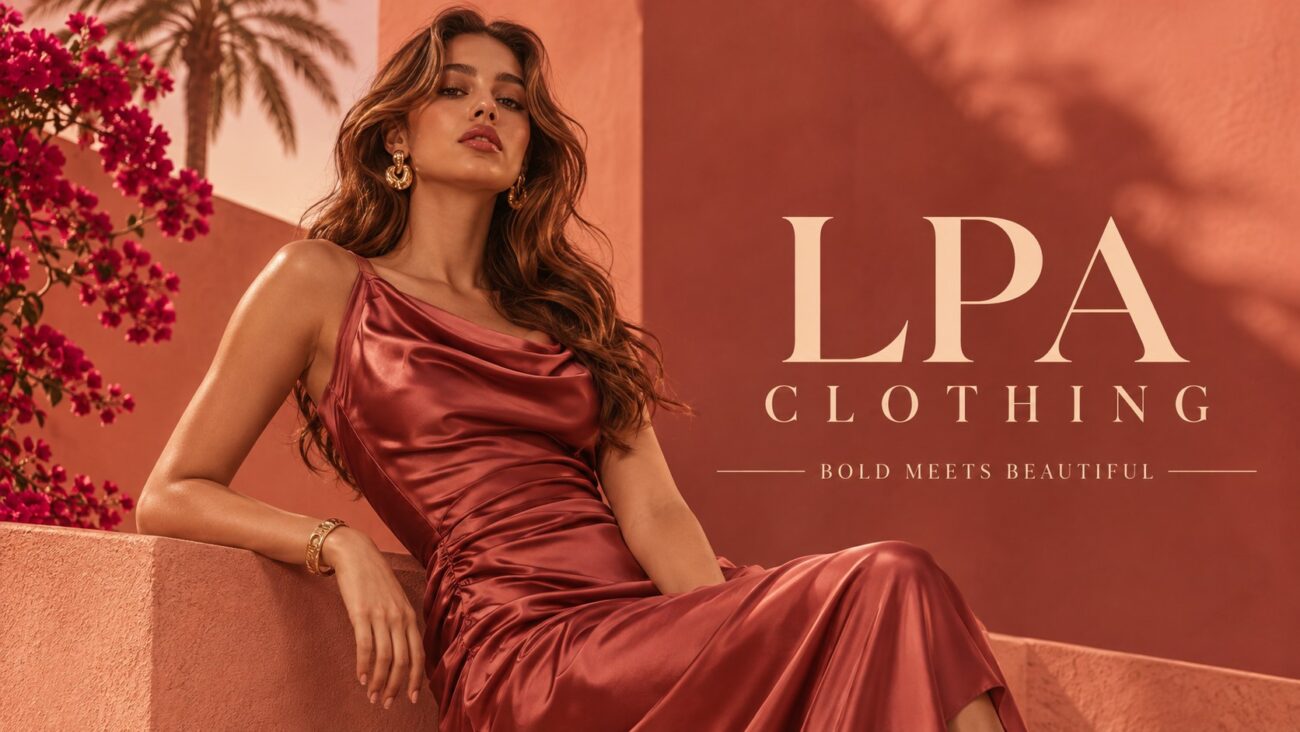
Jewel tones, deep purple, emerald, burgundy, generally perform well in almost any lighting setup, which makes them a safer bet than pastels for a night out. Pastels can still work, but they need a strong shape or texture behind them to avoid looking washed out and forgettable once the lights dim.
If you want a single unifying color across a mixed-print outfit, pick a neutral like black or ivory as the base and let one accent color repeat in two or three places, a scarf, a shoe, a bag. This repetition reads as styled rather than random, even when the individual pieces are each fairly loud. A piece from mihara yasuhiro in a strong solid color can work well as that anchor, since the cut alone often provides enough visual interest without needing a print at all.
Putting Together a Full Statement Look
Building a full outfit for a bold event starts with choosing your one
Frequently asked questions
How do I make a bold outfit without looking like a costume?
Limit yourself to one standout piece, a print, a bright color, or a dramatic silhouette, and keep everything else around it simple and well-fitted. The balance between one loud element and several quiet ones is what separates a statement outfit from a costume.
What colors photograph best in club lighting?
Jewel tones like emerald, burgundy, and deep purple tend to hold their richness under warm or dim artificial light, while pastels and cool blues can look washed out. Testing a piece under lamp light at home before the event gives a good preview.
Can I mix two prints in one nightlife outfit?
Yes, as long as the prints differ in scale, one large and one small, and share a color family. Keeping texture varied between the two pieces also helps them read as intentional rather than clashing.